
Even with so many ways to do laundry, sometimes it feels like a never-ending overwhelming chore you don’t want to do. However, once you’ve mastered the laundering process, tips, and tricks, you can do it faster and ensure your clothes come out consistently clean. The best way to do your laundry is to sort them out and put it in the washer with the right amount of detergent. Also, one of the important tricks to keep your outfits fresh and vibrant is to wash them inside out.
Here are some important tips and tricks on how to do your laundry:
1.Understand Fabric Care Labels for Long-Lasting Clothes
2.Sort Laundry Properly to Prevent Damage
3.Pre-Treat Stains Effectively Before Washing
4.Choose the Right Water Temperature for Every Load
5.Select Appropriate Detergents and Additives
6.Optimize Washing Machine Settings for Different Fabrics
7.Load Your Washing Machine Correctly
8.Dry Clothes Strategically to Maintain Fabric Quality
9.Maintain Your Laundry Appliances Regularly
10.Adopt Eco-Friendly Laundry Habits
1. Understand Fabric Care Labels for Long-Lasting Clothes
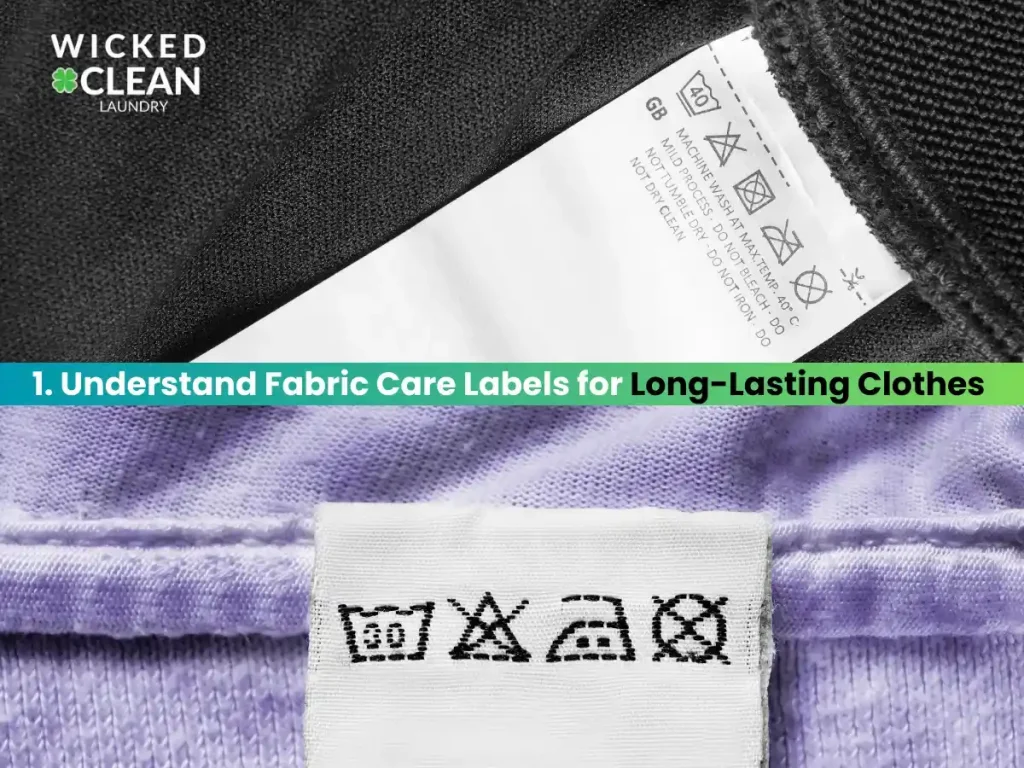
Customers are advised to follow the instructions on the tiny brand tag/main label for proper garment care. The symbol instruction helps you understand procedures like whether to machine wash, hand wash, do not wash, dry clean, do not dry clean, wash cold, wash hot, wash warm, normal cycle, permanent press cycle, or delicate/ gentle cycle. Likewise, you can also learn whether the garment should be tumble dry, do not tumble dry, hang to dry, dry flat, or do not wring along with iron low, iron medium, or do not iron.
Customers are advised to sort their clothes based on label instructions for optimal clothing care. When you don’t follow the proper procedure, you can experience fabric shrinkage, discoloration, dye transfer, or cut short their lifespan. Fabric care labels are small solutions to bigger problems and understanding them helps you be particular with cleaning procedure and apparel care. It is an assurance that appearance and fit of the garment is maintained after repeated cleaning treatments.
2. Sort Laundry Properly to Prevent Damage

For proper washing procedure and preventing fabric damage, you should sort your laundry properly. Clothes with deep colors are more likely to bleed dye if washed improperly. Sorting clothes by color like whites, lights, or darks to avoid damaging other clothes. While washing whites, you can use a detergent containing bleach to maintain the bright white color, whereas colorful or bright clothes can be washed without bleach.
Another way is to sort your clothes according to fabric types like delicate, heavy-duty, or synthetics to prevent wearing, scrapping, or damaging the finer and softer fabrics. You can also separate clothes with buttons and zippers from lingerie and knits to prevent damage. Likewise, you should wash clothes that shed lint from corduroy, microfiber, and fabrics that attract lint.
Lastly, you should sort clothes by soil or stain level like light or heavy stains. Washing heavily stained laundry separately on a longer heavy-duty cycle provides the agitation needed to get rid of heavy dirt and stains. Light stains can be hand-washed using hot water, stain remover and liquid laundry detergent.
3. Pre-Treat Stains Effectively Before Washing
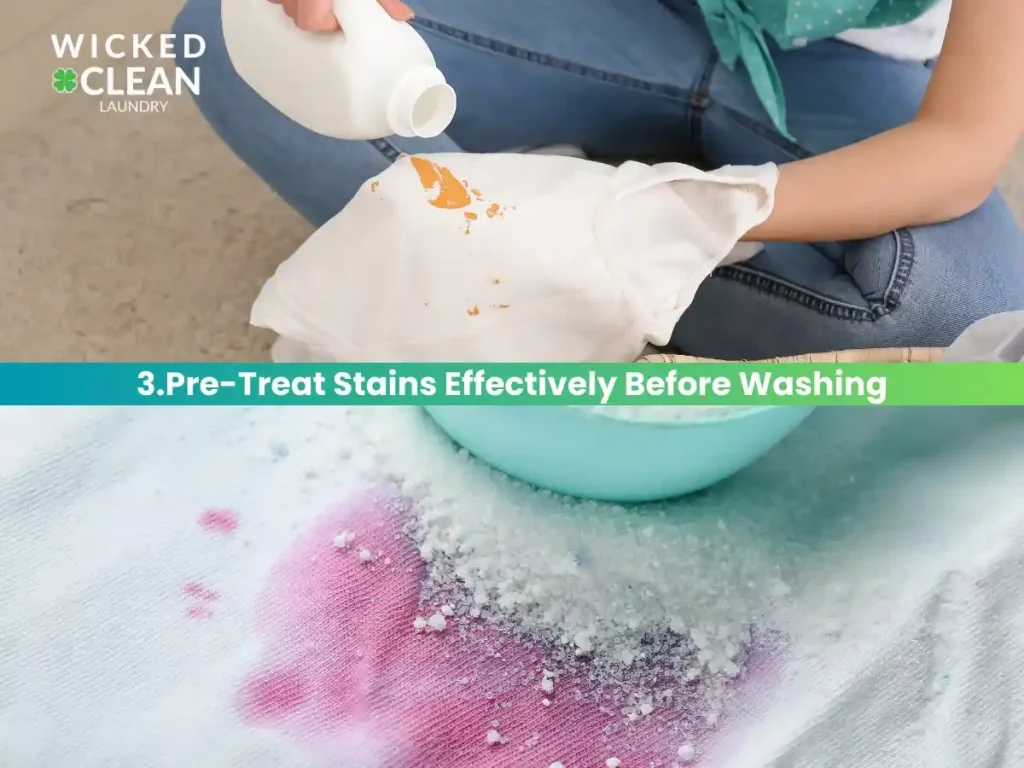
While treating stains on clothes, you should examine the staining pattern and the color to determine the best way to remove it. Sometimes, yellow, orange, red or rust-colored stains on an entire load of laundry can be caused by rusty water pipes. This can be removed with a stain remover. Stains like oil, grease, protein, chocolate, beet juice, wine, and dye stains are harder to treat if left for too long. You should pre-treat the stained area with a stain remover or a dish soap before laundering.
Likewise, stains or dirt on shirt hem can be treated by soaking in a mixture of tablespoon of detergent and a gallon of water before washing. Also, you can DIY home-made stain removers from vinegar and baking soda to remove hard water stains like rust and deposits. Stains should be treated as soon as possible as we all know, the longer a stain has set the harder it is to remove. You should take a careful look at persistent stains and run them through the process of pretreating with a stain remover, adding fabric safe bleach, and laundering.
4. Choose the Right Water Temperature for Every Load

Depending on the type and color of your garment, choosing the best water temperature to wash clothes can mean the difference between worn-out, shrunken and fresh, pristine clothes. You should use cold water between 60 to 80 degrees Fahrenheit to wash delicate, bright and dark colored clothes to prevent fading. Although some dark colored clothes may still fade or bleed, they lose the least amount of color in cold water.
The best temperature to wash clothes you wear everyday is warm water (between 90 to 110 degrees Fahrenheit) is a safe way to clean them without any damage. You can wash fabrics like cotton, linen, and synthetic safely as it doesn’t result in shrinking or much fading. Lastly, you can use hot water (130 degrees Fahrenheit or above) to remove stubborn dirt and stain depending on the type of clothing or materials you’re washing. The higher the temperature, the better it is to remove grease and stains.
5. Select Appropriate Detergents and Additives
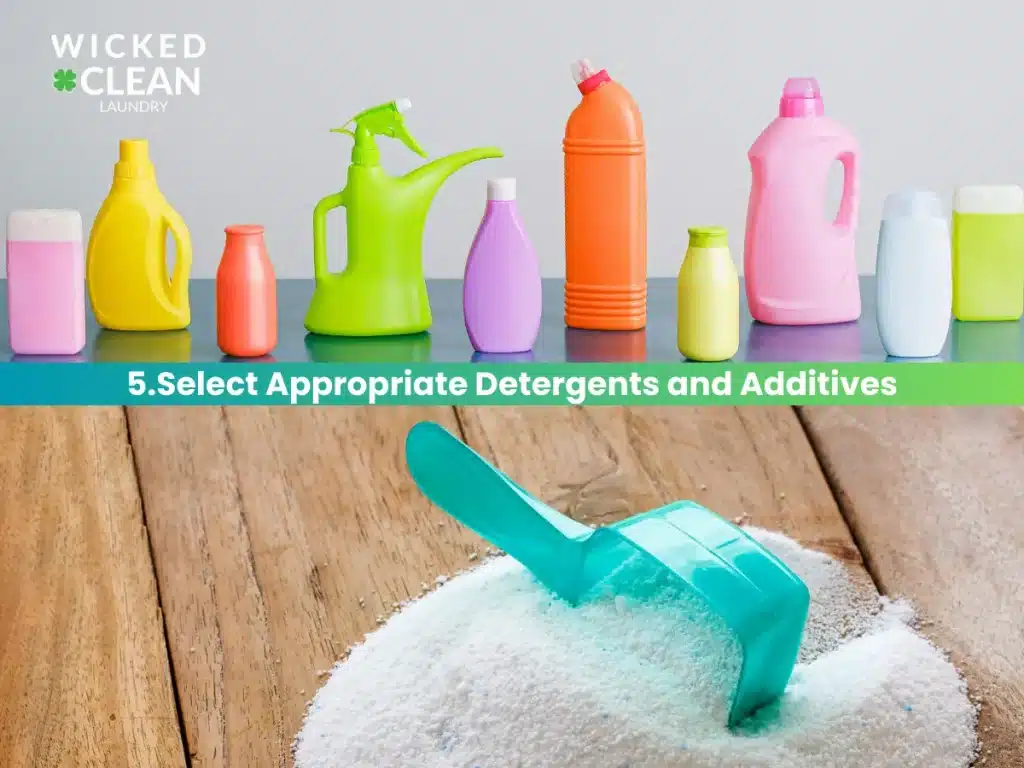
Each detergent and additives has their own advantages and drawbacks depending on convenience, water hardness, and stain type. It can make a big difference in how clean, long-lasting, and fresh your clothes remain. Liquid detergent is best for cold water dashing as it dissolves easily and is effective on oily and greasy stains. However, it has heavier packaging and can be more expensive per load. Similarly, powder detergent is cost-effective, great for lifting dirt and mud stains and has a longer shelf life. However, it required bulkier storage requirements and may not dissolve well in cold water, leaving residue.
Talking about the laundry pods, they are pre-measured and convenient to use without spills or overuse and easily dissolves in all water temperatures. If you’re hypoallergenic, you can use fragrance-free and dye-free detergents like Tide Free & Gentle, plant-based detergents like ECOS or Puracy, and high efficiency detergents. Moreover, adding boosters like oxygen bleach, baking soda, and vinegar can enhance cleaning power as vinegar acts as a natural fabric softener and helps remove sweat and odor. Baking soda helps boost detergent effectiveness, and oxygen bleach helps remove tough stains and break down dirt.
6. Optimize Washing Machine Settings for Different Fabrics
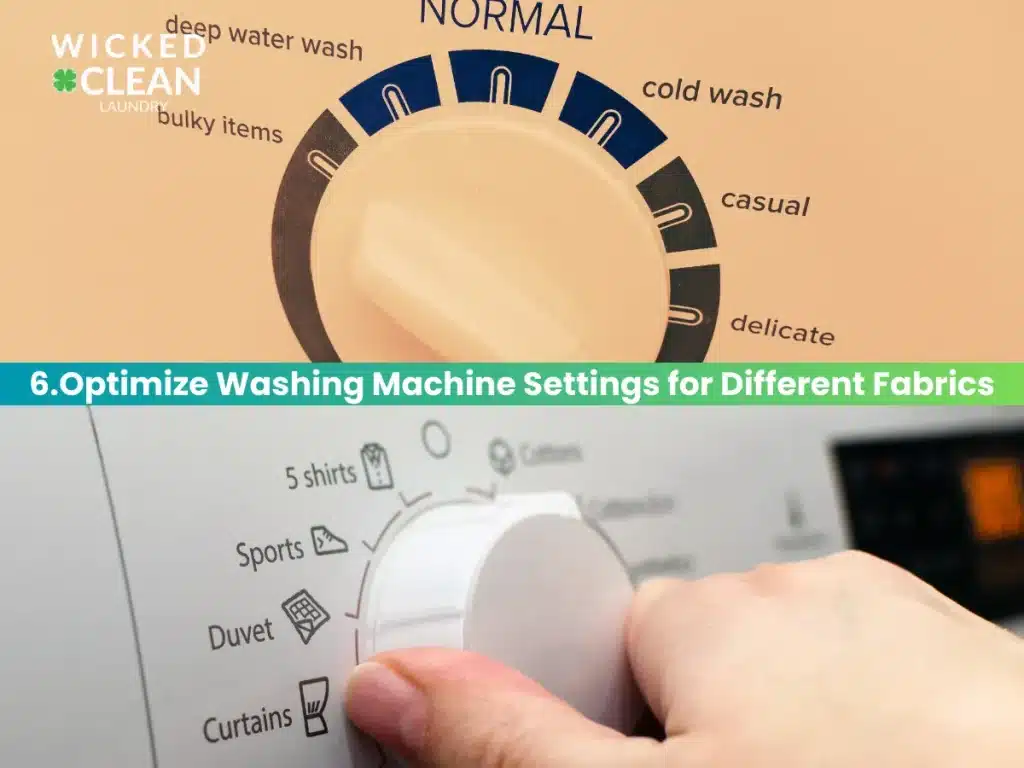
As each cycle is designed for a specific fabric type, a delicate laundry machine setting is best for fabrics like lace, lingerie, and silk. This cycle uses gentle agitation and lower water temperature to prevent damage and is the best setting for washing clothes like undergarments, sheer fabrics, and sweaters. Likewise, a normal laundry machine setting is best suited for cotton, polyester, t-shirts, jeans, and casual outfits. Whereas, a heavy-duty cycle is the best setting for washing clothes like work clothes, bedding, towels, and perfect for deep=cleaning stains or heavy dirt buildup.
Spin speed directly affects how much water is removed before drying, hence, low spin speed is best for delicate and lightweight fabrics like silk, wool, and synthetic, medium spin speed is good for t-shirts and jeans. Whereas, high spin speed is good for bedding, towels, and heavy fabrics as it can cause damage to soft fabrics. Moreover, to remove tough stains, pre-soaking can be a good option. Stains like blood, sweat, and protein-based stains can be pre-soaked in cold water, warm water pre-soak is good for oil and food stains, and oxy-bleach or baking soda is suited for whites and colored clothes.
7. Load Your Washing Machine Correctly

Loading your washing machine correctly is essential for cleaning your clothes effectively while preventing damage to both the machine and your garments. You should avoid overloading your washing machine to prevent straining the motor and poor cleaning. You should fill the drum about 75% full to avoid overstuffing and ensure there’s room for movement. This allows detergent and water to reach all the clothes and wash them efficiently.
For a proper balanced wash, you should mix heavy fabrics like jeans and towels with lighter clothes like t-shirt, underwear, cotton, and linen clothes. Balancing heavy and light clothes helps distribute weight evenly which reduces the risk of the machine stopping mid-cycle or excessive vibrations. Likewise, proper water circulation is equally crucial for effective cleaning as tightly packed clothes doesn’t allow detergent and water to reach every fabric surface. Allowing water to move freely ensures a thorough wash while extending the life of your washing machine.
8. Dry Clothes Strategically to Maintain Fabric Quality
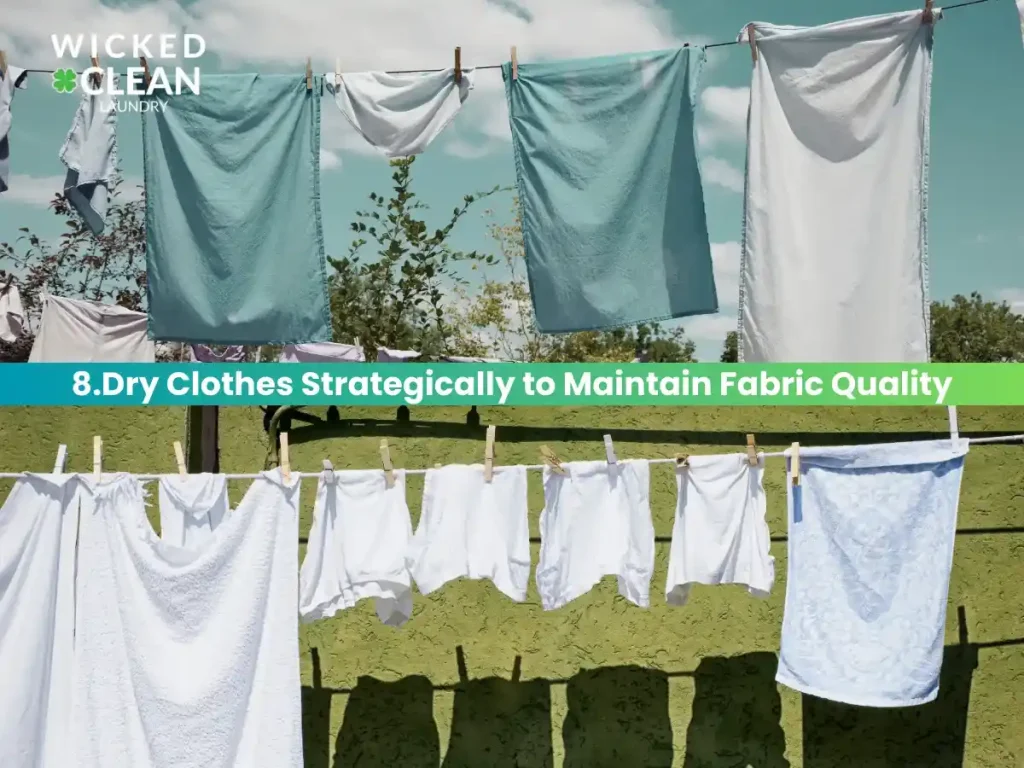
Drying clothes the right way helps maintain fabric quality, keep your clothes looking fresh, and prevent damage. You should air dry delicate fabrics like lace, silk, and wool as they tend to lose shape or shrink in a dryer. Gently hand lightweight items on a clothesline, lay sweaters or knits to maintain their shape, and avoid direct sunlight for dark colored clothes to prevent fading.
Using a machine dryer with the right settings is a convenient drying method.
To prevent fabric damage while machine-drying, you should use low heat for delicate fabrics like synthetic blends and lingerie, medium heat for everyday items like jeans and t-shirts, and high heat for sturdy fabrics like towels. You can also use sensor dry or set a timer to avoid overdrying, fabric wear, and shrinkage. Lastly, to reduce static and wrinkles from fresh laundry, you should remove them immediately after drying. Likewise, you can use a damp washcloth or a dryer ball to reduce static and soften fabrics naturally. Choosing a right drying method helps you extend your clothes lifespan and keep them in a great condition.
9. Maintain Your Laundry Appliances Regularly

One of the easiest ways to maintain your laundry machine is to clean the machine drum monthly to prevent detergent residue, mold, and fabric buildup. You can use baking soda or a washing machine cleaner on an empty hot water cycle once a month to clean it. You can also wipe the drum, detergent drawer, and rubber seal with a damp clothes, and leave the door open after each wash to allow airflow and prevent mold growth. You should remove the lint from the filter after each load to maintain drying efficiency and avoid potential fire. You can easily clean the dryer lint inside the filter slot with a vacuum or a lint brush.
Lastly, you should descale your washing machine from mineral and limescale deposits caused by hard water. To do so, you can use an empty hot water cycle with 2 cups of white vinegar, ½ cup of baking soda in a second rinse cycle, and wipe down the inside of the drum and detergent tray to remove remaining residue. Regular maintenance of your laundry extends their lifespan, keeps them running efficiently, and ensures your clothes are clean and fresh everytime.
10. Adopt Eco-Friendly Laundry Habits

Adopting eco-friendly laundry habits not only keeps your clothes clean, they also help conserve water, reduce energy consumption, and minimize chemical waste. One of the healthy habits is to wash full loads of laundry to save water as running small loads wastes water as well as energy. You should fill the machine about 75% full to make the most of each wash, use the correct water level setting, and wash similar fabrics together to ensure effective washing without unnecessary cycles.
Washing your laundry with cold water helps reduce energy and protect fabric from fading and shrinking. You should use cold water for most washes as modern detergents work effectively at lower temperatures and select energy-efficient cycles like Eco or Quick Wash settings to reduce water and power usage. Biodegradable or plant-based detergents easily are free from synthetic fragrances and phosphates. Moreover, switching to biodegradable detergents helps reduce environmental impact while still keeping your clothes fresh and clean.
How Often Should You Do Laundry?
Doing laundry depends on various factors like household size, lifestyle, and the type of clothing you wear. Generally, the number of times you need to do laundry depends on the household size as larger households stockpile more laundry. This requires frequent washing every 1 to 2 days, while smaller households require it once or twice a week. Likewise, frequently exercising, working out, or going to work can require doing laundry more often.
Depending on the fabric, some items need more washing than others and here’s a general guide:
- Every wear: Socks, workout clothes, underwear, and anything heavily soiled.
- After 2 to 3 wears: Bras, pajamas, dress, and shirts.
- After 4 to 5 wears: Sweaters worn over other clothes and jeans (unless visible stain or dirt).
- Once a week: Bedsheets and towels
- Every few weeks: Coats, jackets,and clothes that don’t come into direct contact with the skin.
If your clothes don’t visibly look dirty, you can look for other signs like odor, fabric stiffness, and stains. If your clothes start smelling sweaty, musty, and stale and have tiny spills or food stains, it should be washed immediately as well. Likewise, when your clothes feel rough or lose their softness, it can mean a buildup of detergent residue, dirt, or sweat and it’s clearly time for a wash.
How often should you wash bath towels?
Bath towels should be washed every 3 to 4 uses to prevent bacterial buildup. Likewise, if you workout or live in a humid climate or have sensitive skin, washing them after every use is ideal. Depending on your towel fabric types, cotton towels should be washed every 3 to 4 uses to stay fresh and microfiber towels should be washed after 4 to 5 uses. As damp towels create a breeding ground for mildew and bacteria, you should let your towels fully dry between uses.
How often should you wash your bras?
Bras should be typically washed and air-dried after every 3 to 4 wears to maintain their shape and elasticity. Washing them too frequently can cause elastic and fabric to wear and tear while wearing them for too long can cause sweat and oil buildup leading to bacterial growth. Hand washing them with a gentle detergent is ideal for extending their lifespan. However, you can machine wash them using a mesh laundry bag on a delicate cycle as well.
How often should you wash sheets and pillowcases?
Pillowcases and sheets should be washed once a week to maintain cleanliness and maintain skin health. As they come into direct contact with our skin, they collect body oils, sweat, dust mites, and bacteria over time. You should use hot or warm water to help remove bacterial growth, odor, and oil buildup effectively and dry them completely to prevent mildew. However, if you have allergies or sensitive skin, they should be washed every 3 to 4 days.
How often should you wash jeans?
Jeans should be washed every 4 to 5 weeks to maintain fabric quality, prevent unnecessary wear and tear, and preserve their color. As jeans or denim is a durable fabric, frequent washing causes shrinkage, loss of shape, or even fading. As per the fabric quality, dark-colored jeans should be washed inside out to prevent fading while stretchy jeans need more frequent washing to maintain their fit. Washing them with a gentle cycle, mild detergent, and cold water help keep them clean and fresh.
How often should you wash hoodies?
Hoodies should be washed every 5 to 7 wears depending on the usage, material, buildup, and odor as they don’t need frequent washing. Fabrics like fleece and cotton can retain odor and should be washed more often, whereas synthetic fabric may resist odor and sweat longer. For people who workout or exercise, washing them after 2 to 3 wears is best. Nonetheless, hoodies should be washed in cold water on a gentle cycle and tumble dry to prevent shrinkage and maintain softness.
DIY vs. Professional Laundry: Which Is Right For Your?
The choice between professional laundry and DIY service fully depends on your time, convenience, lifestyle, fabric, and laundry needs. You can go for DIY laundry if you prefer full control over washing, drying, and detergent choices over small loads, delicate fabrics, or simply want to save money. Likewise, go for professional laundry wash & fold to save time and effort if you have a hectic schedule, want expert fabric care, and need to wash blankets and mattresses efficiently. And if you’re looking for a high-quality and convenient laundry solution, Wicked Clean Laundry is here to help. We provide quality, reliable, and professional wash & fold service using high-quality detergents and washing techniques without stressing your garment. Try Wicked Clean Laundry today and enjoy neat, fresh, and clean laundry at all times.
How to handwash laundry?
You can hand wash your laundry by filling a bucket with water depending on the fabric type, add detergent, soak & agitate, rinse thoroughly, and gently squeeze the excessive water out. After this you can lay them flat or hang to air dry, however, you should avoid direct sunlight for dark colors to prevent fading.
How to wash laundry in the bathtub?
For big loads or bulky clothes, washing laundry in the bathtub is a great option. Follow these steps for an effective washing:
- Step 1: Depending on the fabric type, fill the tub with warm or cold water. Avoid hot water for delicate fabrics.
- Step 2: Add about 1-2 tablespoons of mild powder or liquid detergent depending on the load size.
- Step 3: Submerge & soak your clothes in the tub and let them sit for 10 to 15 minutes for the detergent to loosen dirt.
- Step 4: Scrub and swirl clothes around using your hands and rub stains lightly.
- Step 5: Drain the soap water and rinse with clean water until all detergent is removed.
- Step 6: Squeeze excess water and air dry them to avoid fabric damage.
Should You Unbutton Shirts Before Washing?
Yes, you should always unbutton your shirts before washing to prevent damage to both the fabric and the button. Leaving a shirt fully buttoned on the wash can put stress on buttonholes and buttons which increases the risk of breaking, tearing, and loosening or fabric. This is also important for flannel shirts, delicate button-ups, or even dresses. However, zippers should be zipped up before washing to prevent snagging on the clothes.

